

Diabetes and Erectile Dysfunction: Why the Link Is Strong
Sustained high blood glucose damages the blood vessels and nerves that erections depend on. What NIDDK and clinical reviews report on diabetes and ED.
Read articleWhy ED often shows up years before heart symptoms, what cohort studies report, and when new ED should prompt a cardiovascular risk check.
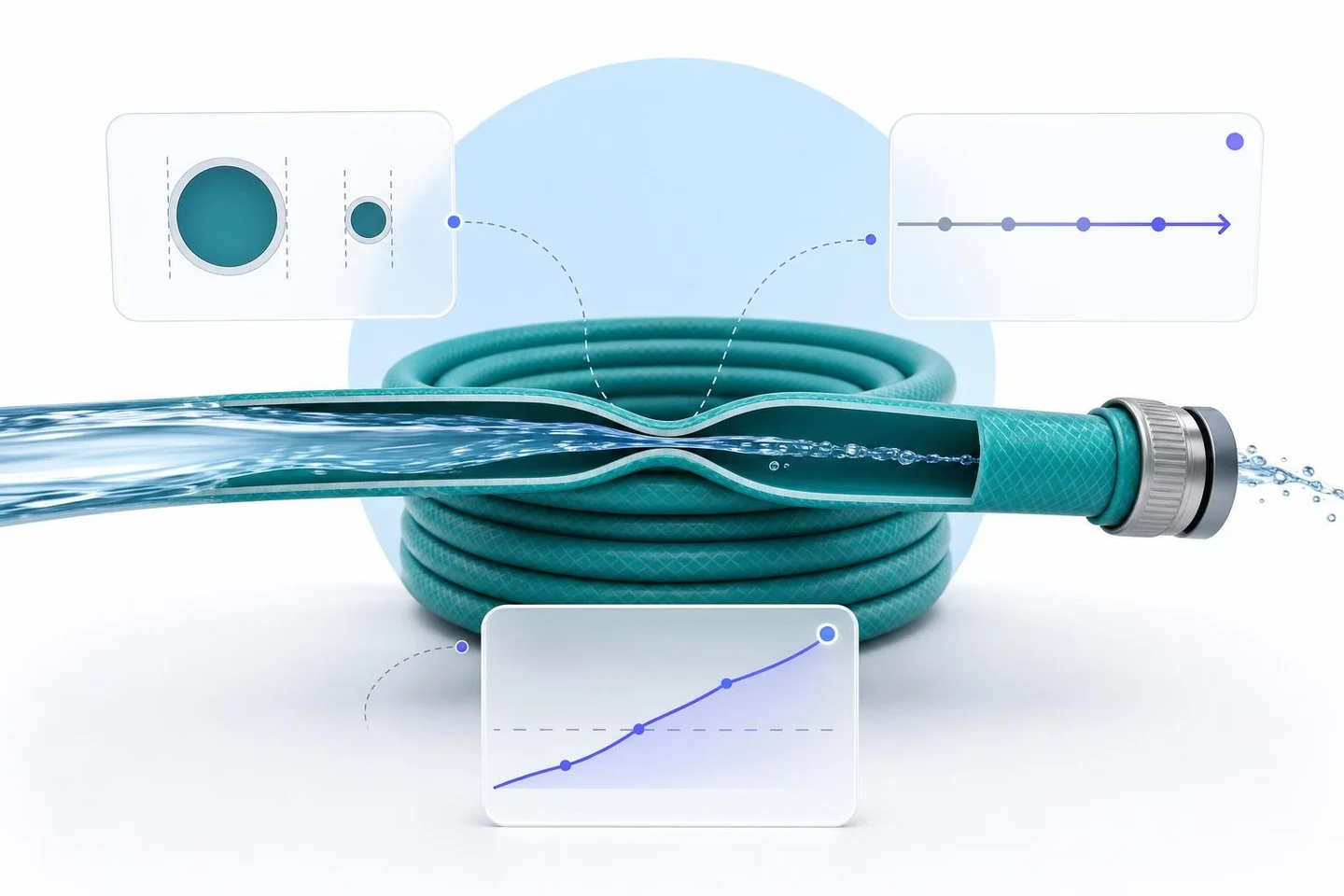
Erectile dysfunction can be an early warning sign of heart disease because both depend on blood vessels that work properly. Mayo Clinic explains that the arteries in the penis are smaller than those in the heart, so erection problems may appear years before heart symptoms such as chest pain. New erectile dysfunction, especially in a man younger than 50, is a reason to ask a clinician for a heart check rather than only a prescription.
Erectile dysfunction is the inability to get and keep an erection firm enough for sex. That definition says nothing about arteries, but in many men the cause is vascular.
They rely on the same plumbing. Mayo Clinic describes the two as closely linked conditions that depend on healthy blood vessels and share many risk factors, and both often begin with damage to the inner lining of those vessels, called the endothelium. Mayo Clinic calls the result endothelial dysfunction: blood flow drops throughout the body, which means a poorer blood supply to the heart and slower blood flow to the penis. Over time it may lead to a buildup of plaque called atherosclerosis.
The risk factors overlap too. Mayo Clinic lists diabetes, tobacco use, heavy drinking, high blood pressure, high LDL cholesterol, obesity, older age and low testosterone.
Not every case is vascular. Hormonal, neurological, medication-related and psychological causes are common, and we cover them in erectile dysfunction causes.
The arteries that supply the penis are narrower than the coronary arteries, so the same amount of plaque restricts them sooner.
A Mayo Clinic summary of the 2023 Princeton IV consensus recommendations puts numbers on it: erectile dysfunction often occurs 2 to 5 years before men have heart attacks, and the penile arteries are only 1 to 2 mm wide, so they are among the first vessels to show signs of atherosclerosis.
That is a pattern across groups of men, not a rule about one man. Plenty of men with erectile dysfunction never develop heart disease.
They report a consistent association, strongest in younger men, from observational studies rather than experiments.
Inman and colleagues, writing in Mayo Clinic Proceedings in 2009, followed 1,402 men without known coronary artery disease, screening them every two years from 1996 to 2005. Among men aged 40 to 49, coronary artery disease incidence was 0.94 per 1,000 person-years without erectile dysfunction and 48.52 with it. At age 70 or older the gap closed, at 23.30 and 29.63. The authors concluded that erectile dysfunction in a younger man is associated with a marked increase in the risk of future cardiac events, while in older men it appears to be of little prognostic importance. Two limits matter: the estimate for men in their forties rests on very few events, with a confidence interval from 1.23 to 269.26, and erectile dysfunction was self-reported, so some cases were likely psychogenic and lacked the physiologic link to coronary disease.
A 2021 umbrella review in BJU International by Mostafaei and colleagues pooled earlier systematic reviews and meta-analyses. It found a higher risk of cardiovascular disease (relative risk 1.45), coronary heart disease (1.50), all-cause mortality (1.25), myocardial infarction (1.55) and stroke (1.36) in people with erectile dysfunction than in people without it. The authors called erectile dysfunction an independent predictor of cardiovascular disease that normally precedes symptomatic disease, and they note few high-quality studies for some outcomes and varied methods across the reviews they pooled.
None of this shows that erectile dysfunction causes heart disease. It shows the two travel together, usually with erectile dysfunction first.
It is the standard set of checks a clinician uses to estimate your risk over the next ten years: blood pressure, cholesterol, blood sugar, smoking, weight and family history. Mayo Clinic says research suggests that men with erectile dysfunction that has no obvious cause, such as an injury, and no heart symptoms should be screened for heart disease before starting treatment.
The Princeton IV panel goes further on testing. As Mayo Clinic describes it, the panel advocates coronary artery calcium scoring, a noninvasive CT scan that finds coronary disease before it causes symptoms, in patients who have erectile dysfunction with borderline (5% to 7.5%) or intermediate (7.5% to 20%) 10-year atherosclerotic cardiovascular disease risk, particularly men aged 40 to 60, whose risk is often underestimated. A high score can lead to earlier treatment with statins, aspirin or lifestyle counseling, and sometimes a cardiology referral. Talk to a clinician about whether that scan makes sense for you.
A medication that improves erections addresses the symptom. It does not undo atherosclerosis, and it is not a heart treatment. If erectile dysfunction is the first visible sign of artery disease, that disease still needs its own assessment and management.
Lifestyle sits in both columns. In the Mayo Clinic summary of Princeton IV, weight loss, exercise and stopping smoking improve erectile dysfunction and lower cardiac risk. Mayo Clinic puts it simply: any change that improves heart health also improves penis health.
One interaction can be life-threatening. Mayo Clinic states that if you take certain heart medicines, especially nitrates, it is not safe to use many of the medicines typically used to treat erectile dysfunction. MedlinePlus says the same for sildenafil, naming nitrates for chest pain such as isosorbide dinitrate, isosorbide mononitrate and nitroglycerin, along with street drugs containing nitrates, sometimes called poppers.
Other medicines matter as well. MedlinePlus advises telling your doctor and pharmacist about every medicine, vitamin and supplement you take before starting sildenafil, because some cannot be combined with it. It also says to tell your doctor if you have had a heart attack, heart failure, angina, an irregular heartbeat, a stroke, high or low blood pressure, heart surgery in the last 6 months, or liver or kidney disease.
Side effects of sildenafil listed by MedlinePlus include headache, flushing, heartburn, nausea, nasal congestion, nosebleeds and changes in color vision, such as seeing a blue tinge. Call your doctor right away, MedlinePlus says, for sudden loss of vision or hearing, dizziness or fainting, chest pain, worsening shortness of breath, or an erection that is painful or lasts longer than 4 hours.
In the Mayo Clinic summary of Princeton IV, most men can safely have sex if they can walk a mile or climb two flights of stairs without symptoms. Men with a recent myocardial infarction, heart failure or unstable angina are advised to have stress testing or cardiology clearance first.
Get urgent care for chest pain or pressure, severe shortness of breath, fainting, or pain spreading to the arm, neck or jaw, whether it happens during sex, during exertion or at rest.
Yes. The Mayo Clinic summary of Princeton IV describes it as the earliest and only visible symptom of cardiovascular disease in many cases. It is a reason to check, not a diagnosis.
No. The pooled estimates in the BJU International umbrella review describe groups, not individuals. Myocardial infarction was about 55% more likely in people with erectile dysfunction, which still left most men in those studies free of a heart attack during follow-up.
Earlier than most people expect. In the Mayo Clinic Proceedings cohort, erectile dysfunction in younger men was associated with a marked increase in the risk of future cardiac events, while in men 70 and older it appeared to be of little prognostic importance. Mayo Clinic adds that under age 50, erection problems are more likely to signal heart risk.
Probably not. The authors of that same cohort noted that self-reported erectile dysfunction includes psychogenic cases that lack the physiologic association with coronary disease. A clinician can sort through the likely cause with a history, an exam and blood tests.
Sustained high blood glucose damages the blood vessels and nerves that erections depend on. What NIDDK and clinical reviews report on diabetes and ED.
Read articleED usually has more than one cause. How blood flow, nerves, hormones, medicines and mood affect erections, and when new ED needs a checkup.
Read articleOxytocin's role in labor and breastfeeding is established. Its use for desire or arousal is off-label, and the small human trials have been largely null.
Read articleOpening soon
SimpleHumans is opening soon. Join the early-access list and you'll be first to know when we launch — plus an exclusive discount reserved for people who sign up before we open.
You're on the list
Thanks for joining. We'll email you when we launch, along with your founding-member discount.

